Oxygen Saturation: Normal Blood Oxygen Levels, SpO2 and Blood Gas Results
A normal blood oxygen saturation is 95% to 100% on a pulse oximeter. At 92% or lower, contact a health professional; at…
A normal blood oxygen saturation is 95% to 100% on a pulse oximeter. At 92% or lower, contact a health professional; at…
A growth hormone (GH) test measures a pituitary hormone that drives growth in children and helps control muscle, fat…
A catecholamines test measures epinephrine (adrenaline), norepinephrine and dopamine, or their breakdown products, the…
Iron deficiency means your iron stores are running low. It often starts before anemia: hemoglobin can be normal while…
Of the eight common blood types, AB negative is the rarest in the United States: about 6 people in 1,000. O positive…
Without diabetes, blood sugar is usually 70 to 99 mg/dL (3.9 to 5.5 mmol/L) after an overnight fast and below 140 mg/dL…
The ACE blood test measures angiotensin-converting enzyme, an enzyme that helps control blood pressure. It is mostly…
Amylase is a digestive enzyme made mostly by the pancreas and the salivary glands. A blood test measures how much of it…
High liver enzymes, mainly ALT and AST (also called transaminases), mean liver cells are irritated or injured, or that…
A blood draw takes about ten minutes, and the needle itself only a few seconds. A clinician cleans the skin, ties a…
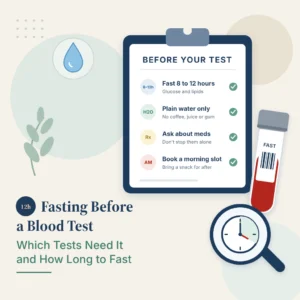
Fasting for a blood test usually means having nothing but plain water for 8 to 12 hours before your blood…
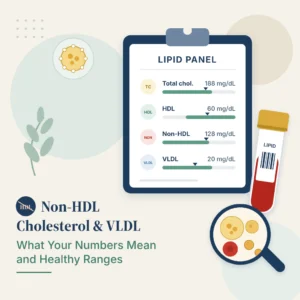
Non-HDL cholesterol is the cholesterol carried by every particle in your blood that can contribute to clogged arteries, which is…
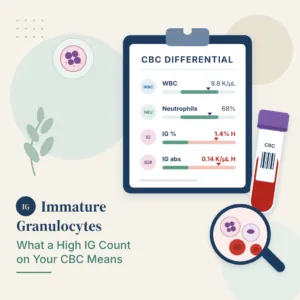
Immature granulocytes (IG) are young white blood cells that normally finish growing in the bone marrow before they enter the…
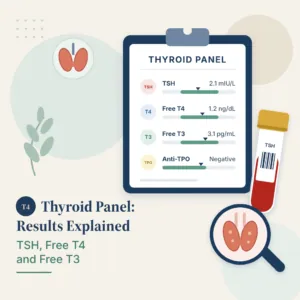
A thyroid panel is a group of blood tests that shows how well your thyroid gland is working and whether…
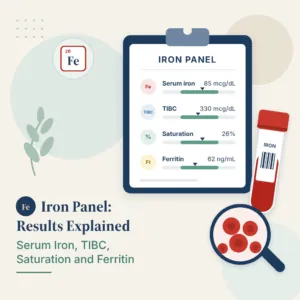
An iron panel is a group of blood tests that shows how much iron is circulating in your blood, how…
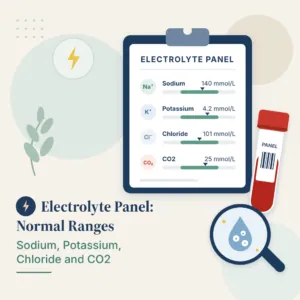
An electrolyte panel is a blood test that measures the main charged minerals in your blood: sodium, potassium, chloride and…
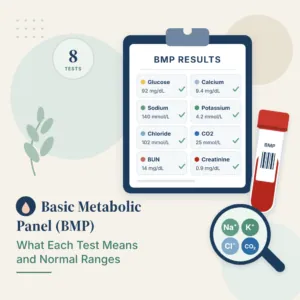
A basic metabolic panel, usually shortened to BMP, is one of the most common blood tests in the United States.…
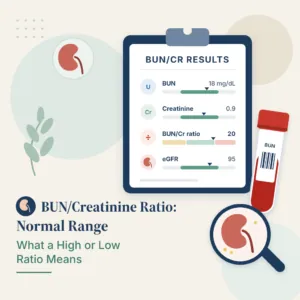
The BUN/creatinine ratio compares two waste products that appear side by side on a standard metabolic panel: blood urea nitrogen…
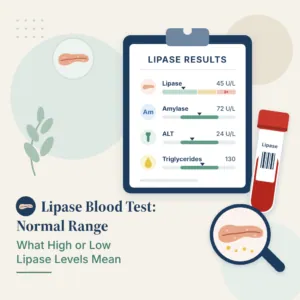
A lipase blood test measures how much of the digestive enzyme lipase is circulating in your blood, and it is…
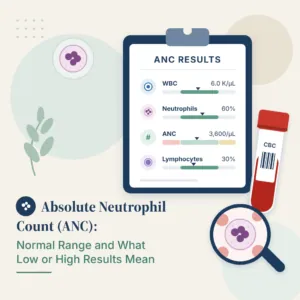
Your absolute neutrophil count, usually shortened to ANC, tells you how many neutrophils are circulating in a given amount of…
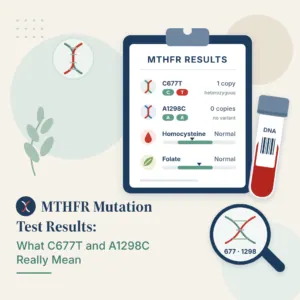
An MTHFR mutation shows up on many genetic reports, and the label sounds far more serious than it usually is.…
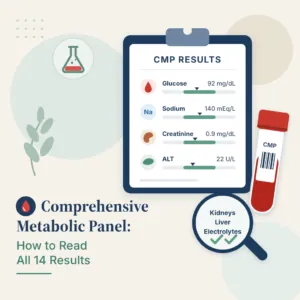
A comprehensive metabolic panel is a routine blood test that measures 14 substances from a single sample, giving your care…
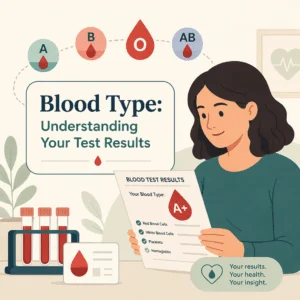
Curious about your blood type test results? Understanding your blood type is key to knowing how your unique blood markers…
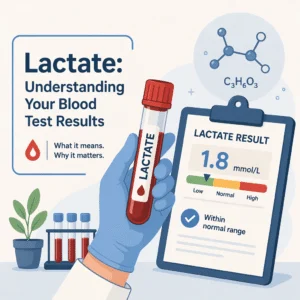
A lactate blood test offers a unique glimpse into how your body manages energy and oxygen during exercise and stress.…
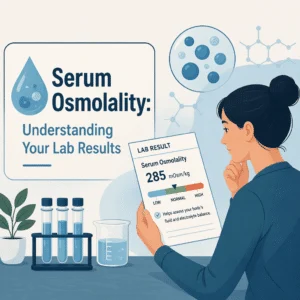
Understanding your serum osmolality measurement gives valuable insight into how well your body maintains the delicate balance of water and…
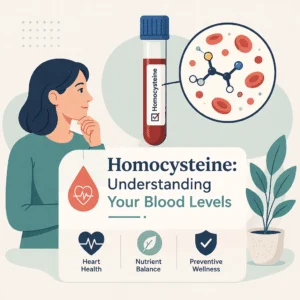
Understanding your homocysteine blood levels can offer valuable clues about your heart health and metabolic function. This article breaks down…
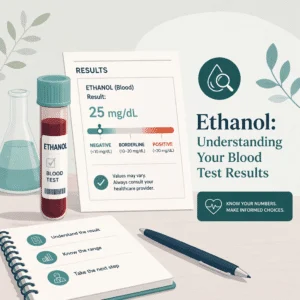
Curious about what your ethanol blood test results really mean? This quick guide breaks down how ethanol travels through your…
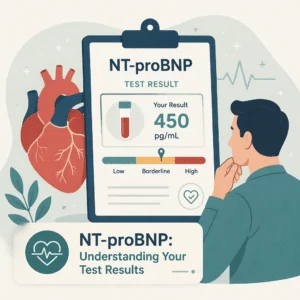
Understanding your NT-proBNP test results can offer valuable insights into your heart’s health by revealing how much stress your heart…
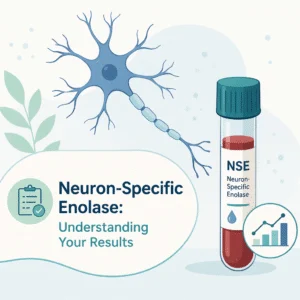
Neuron-specific enolase levels offer a clear window into nerve cell health, helping you understand what your test results mean and…
Wondering what your S100 blood test results mean? This friendly guide breaks down how S100 proteins act as vital messengers…