






Non-Weight-Bearing (NWB): What It Means and Why It Matters
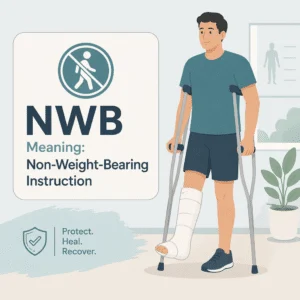
Knowing what non weight bearing (NWB) means can protect healing tissue and speed recovery after fractures or surgery. This short…
Knowing what non weight bearing (NWB) means can protect healing tissue and speed recovery after fractures or surgery. This short…
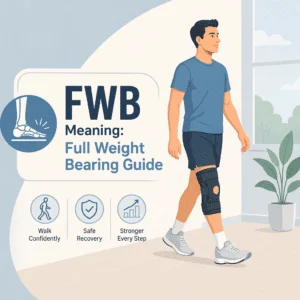
Wondering what FWB means in your care plan? This guide explains full weight bearing—what it looks like, why it matters…
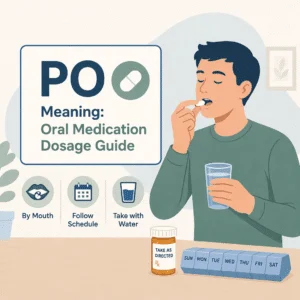
Not sure what PO means on your prescription? PO meaning is per os — take by mouth — and it…
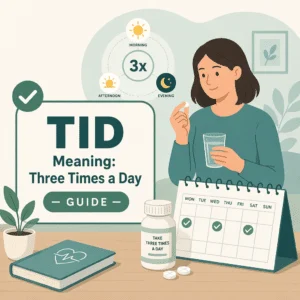
TID meaning is the Latin phrase ter in die, telling you to take a medication three times a day—morning, mid-day,…
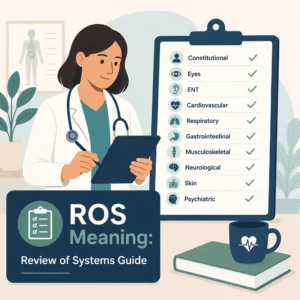
A review of systems is the clinician’s roadmap for uncovering symptoms beyond the chief complaint, guiding diagnosis and care with…
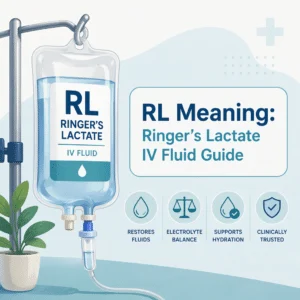
Ringers lactate (RL) is a commonly used IV crystalloid that replaces fluids and electrolytes while helping maintain acid–base balance. This…
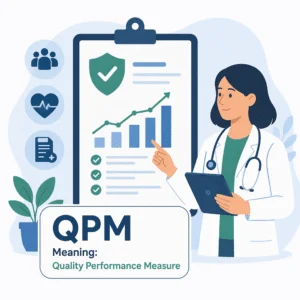
QPM meaning comes from the Latin quaque post meridiem and tells patients to take a medication each evening, though modern…
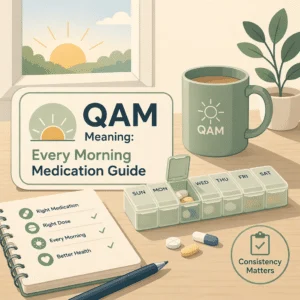
QAM meaning is the pharmacy shorthand for every morning, used on prescriptions to tell you when to take a medication.…
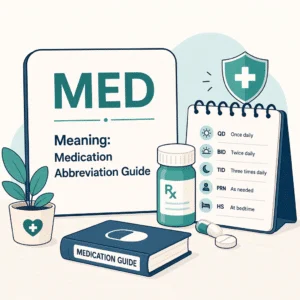
Curious about MED meaning on your prescription? It’s a shorthand for medication or meds — a general label for a…
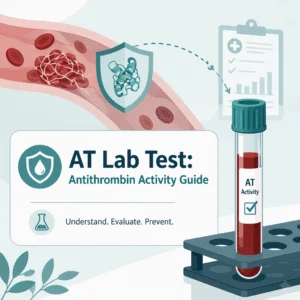
Wondering why your doctor ordered an AT lab test? This friendly guide explains antithrombin activity—what the test measures, what can…
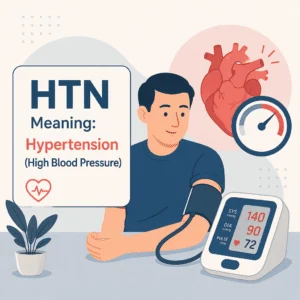
HTN, short for hypertension, means chronically high blood pressure and is a common but manageable condition that raises your risk…
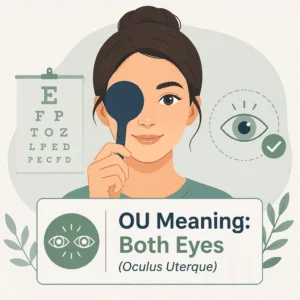
OU meaning is oculus uterque — Latin for both eyes — and on prescriptions it tells you to apply medication…
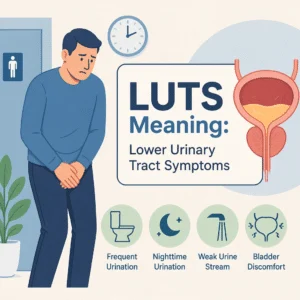
lower urinary tract symptoms can affect anyone and quietly steal sleep, work, and confidence — this article explains what LUTS…
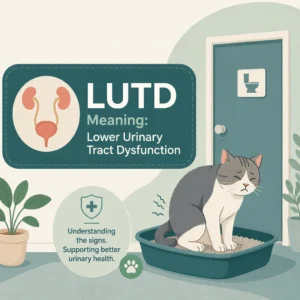
Lower urinary tract dysfunction can make everyday life unpredictable — from sudden urgency and frequent bathroom trips to leakage or…
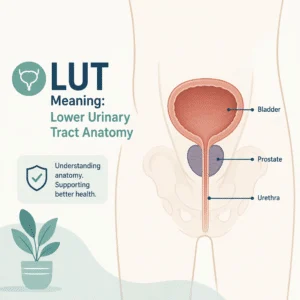
LUT, short for the lower urinary tract, refers to the bladder and urethra that store and release urine. Understanding the…
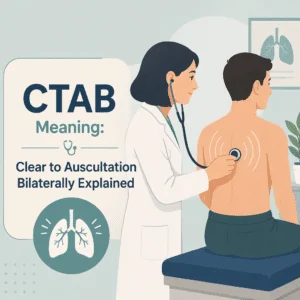
CTAB meaning is clear to auscultation bilaterally, a common shorthand clinicians use to indicate both lungs sounded normal with a…
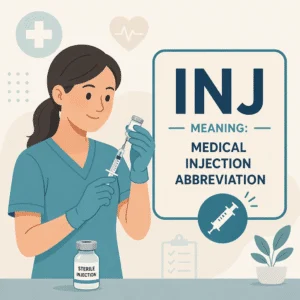
Wondering what INJ means on your prescription? INJ meaning simply indicates the medicine must be given by injection—this quick guide…
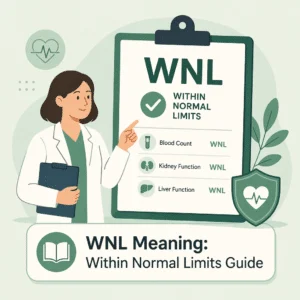
WNL meaning (within normal limits) signals that a test, vital sign, or exam finding falls inside expected ranges, letting clinicians…
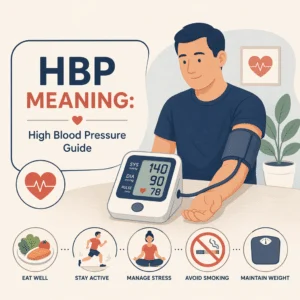
High blood pressure — or HBP — can quietly raise your risk of heart attack, stroke, and kidney damage, but…
Wondering about HS meaning on prescription? It comes from the Latin hora somni and simply tells you to take the…
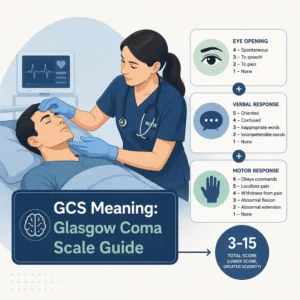
The Glasgow Coma Scale is a quick bedside tool clinicians use to rate eye, verbal, and motor responses and estimate…
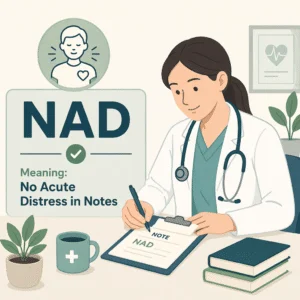
When clinicians write no acute distress (NAD) in a chart, theyre noting a quick bedside assessment that the patient doesnt…
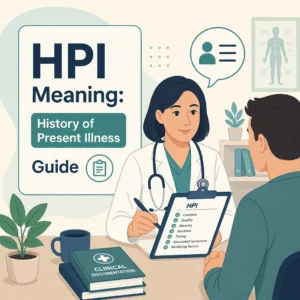
Think of the history of present illness as the clinical short story that explains when a patient’s symptoms began, how…
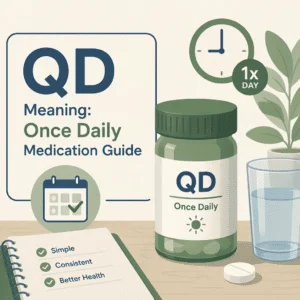
Wondering what “QD” means on your prescription? The QD meaning is “once daily”—a simple instruction to take your medication one…
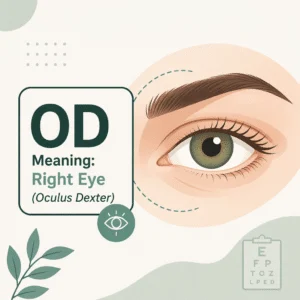
OD meaning usually indicates the right eye (oculus dexter), though on medication labels it can also mean once daily. Always…
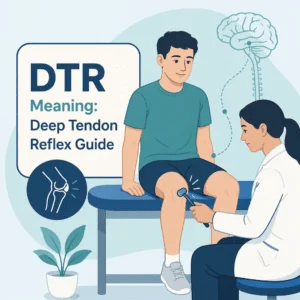
Deep tendon reflexes are the quick, automatic muscle twitches clinicians check to see how well nerves and the spinal cord…
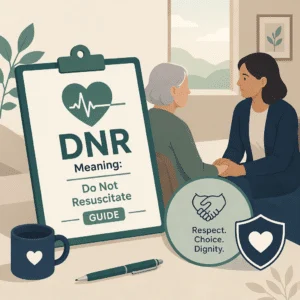
Do Not Resuscitate orders let people state they don’t want CPR or other emergency measures if their heart or breathing…
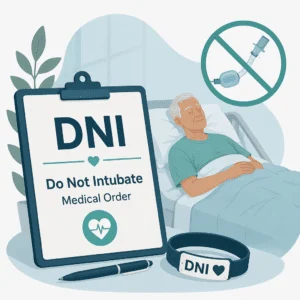
A Do Not Intubate order tells clinicians not to place a breathing tube if someone can’t breathe on their own,…
Computed tomography angiography (CTA) creates fast, high‑resolution images of your blood vessels using a CT scanner and injected contrast dye…
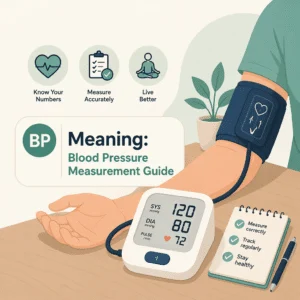
Blood pressure measurement tells you the two numbers — systolic and diastolic — that show how hard your heart is…